Difference Between Online Banks and Fintechs: Which is the Best Option?
The article explores the differences between online banks and fintech companies, highlighting their unique services and advantages. Online banks offer traditional banking stability, extensive support, and insured deposits, while fintechs provide innovative, tech-driven solutions focused on convenience and specialized financial tools, catering to varying consumer preferences in today’s digital…
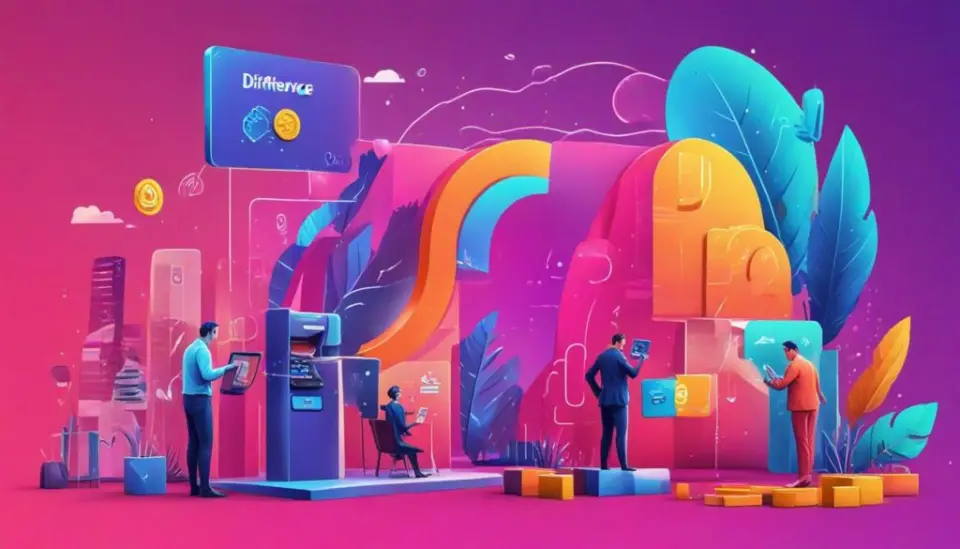
Defining the Concepts of Online Banks and Fintechs
In the modern financial ecosystem, online banks and fintechs represent two distinctly different entities that cater to a wide array of financial needs for consumers. Understanding the nuances between them is crucial for making informed financial decisions tailored to your personal circumstances.
Online banks are essentially traditional banking institutions that have adapted to the digital age by operating without physical branches. This shift allows them to minimize overhead costs, which often translates into higher interest rates for savings and lower fees for services. Key characteristics of online banks include:
- Full-fledged banking services: Online banks typically offer a comprehensive suite of banking services, including checking and savings accounts that come with competitive interest rates.
- Access to loans and mortgages: They provide a range of lending options such as personal loans, mortgages, and auto financing, allowing customers to manage multiple financial needs in one place.
- Federal insurance for deposits: In Canada, most online banks are members of the Canada Deposit Insurance Corporation (CDIC), which insures deposits up to $100,000, providing peace of mind to customers.
In contrast, fintech companies leverage innovative technologies to enhance or deliver financial services that previously required traditional banking. Fintechs often target specific niches, allowing for flexibility and streamlined processes. Examples include:
- Peer-to-peer lending: Platforms such as Lending Loop connect investors directly with borrowers, bypassing traditional banks altogether, enabling more competitive rates.
- Mobile payment solutions and digital wallets: Services like Apple Pay and Google Wallet offer quick, contactless transactions, revolutionizing the way consumers pay for goods and services.
- Investment platforms and robo-advisors: Companies like Wealthsimple provide users with automated investment advice, making it accessible for individuals who may not be ready to hire a financial advisor.
While both online banks and fintechs can significantly simplify and enhance your financial life, the choice between them should be guided by your individual needs. For example, if you prioritize stability and comprehensive banking features, an online bank may be more suitable. However, if you seek innovative solutions that can provide enhanced flexibility—such as budgeting apps or investment tools—fintechs may be the better choice for you.
As technology continues to evolve, understanding these platforms will become increasingly important. By evaluating your financial goals and preferences, you can determine which option aligns best with your lifestyle and offers the solutions you require.
SEE ALSO: Click here to read another article
Comparing Features and Services
When deciding between online banks and fintechs, it’s essential to evaluate the features and services they offer. Each has unique advantages that can cater to different financial needs and preferences. Understanding these differences can significantly impact your financial management and overall satisfaction with your banking experience.
Online banks generally provide a broader range of traditional banking services, making them ideal for customers who desire a one-stop-shop for their financial activities. One of the main benefits of using online banks is their accessibility and comprehensive offerings. Here are some key advantages:
- Direct deposit services: Similar to traditional banks, online banks facilitate salary deposits directly into your checking or savings accounts. For example, a person employed full-time can set up direct deposit, ensuring their paycheck is automatically credited to their account each payday, which simplifies payroll management and can help with timely bill payments.
- ATM access: Many online banks partner with extensive ATM networks, providing customers the ability to withdraw cash without incurring additional fees. This feature can be particularly crucial for individuals who prefer to use cash for certain transactions, making budgeting easier and avoiding charges that could accumulate with poorly placed withdrawals.
- Comprehensive account management: Online banks typically offer robust online platforms and mobile apps that allow customers to manage various accounts effortlessly. Users can track spending, categorize expenses, and easily transfer funds between accounts, providing a comprehensive view of their finances. For example, Canadians can link multiple banking accounts to observe their total net worth and plan accordingly.
Conversely, fintech companies often take a more innovative approach, focusing on solving specific financial challenges that consumers face. They tend to excel in areas where traditional banks may lag, providing an appealing option for users seeking modern banking solutions. Their strengths include:
- User-friendly interfaces: Fintechs typically design their platforms to prioritize user experience, offering intuitive navigation and visually appealing layouts that help users engage more effectively with their finances. For example, a budgeting app might feature colorful charts and graphs that make it easy to understand spending habits at a glance.
- Personalized financial insights: Many fintech applications employ data analytics and advanced algorithms to provide tailored budgeting solutions and insights based on individual spending patterns. This can help users identify areas to cut back on spending or suggest savings strategies, ultimately empowering them to make better financial decisions.
- Access to niche services: Fintechs often specialize in specific areas, such as cryptocurrency trading or social investing. This specialization appeals to users looking to diversify their portfolios or engage in alternative assets. For instance, a tech-savvy investor may choose a fintech platform focused on environmental or socially responsible investing, aligning with their values.
The breadth of services offered by online banks can particularly benefit individuals and families seeking long-term financial stability. If you require services such as mortgages, vehicle loans, or investment accounts, an online bank may be your best option. They typically offer competitive rates and reliable customer service. Conversely, if you’re a tech-savvy consumer who prioritizes convenience, innovative payment methods, or investment opportunities, fintechs are likely to provide the tools you need to enhance your financial journey with greater ease.
Ultimately, the key is to assess your personal financial circumstances and preferences. By understanding what each option offers, whether you lean towards the reliability of online banks or the innovative spirit of fintechs, you will be better equipped to choose the best fit for your financial goals. It’s crucial to consider factors such as fees, accessibility, customer service, and the specific services most relevant to your lifestyle to ensure you make an informed decision.
CHECK OUT: Click here to explore more
Evaluating Customer Support and Security
Another crucial aspect to consider when comparing online banks and fintech companies is the level of customer support and security features they provide. With financial transactions becoming increasingly digital, it’s imperative to ensure that both the ease of obtaining help and the protection of your personal information are adequately addressed.
Online banks often benefit from a more established framework for customer support, resembling that of traditional banks. Though they operate online, many offer multiple channels for contact, including telephone support, live chat, and email, which can come in handy for resolving more complex issues. Here are some points to consider:
- 24/7 availability: Many online banks offer round-the-clock customer service, allowing customers to seek assistance whenever the need arises. For example, if you’re traveling or have an unexpected issue with your account late at night, you can connect with a representative who can help you resolve it swiftly.
- Personalized service: Since online banks typically manage a wider range of financial services, they often can provide personalized customer support where agents can review your entire portfolio during conversations without you needing to repeat yourself—streamlining the process of assistance.
- Trust and reliability: Online banks are usually insured by the Canada Deposit Insurance Corporation (CDIC), which means your deposits are protected up to a certain limit. This can foster a sense of security for customers who value stability and have concerns about potential losses.
On the other hand, fintech companies tend to focus more on digital-first customer support, which may include features like chatbots or automated responses. This innovative approach can sometimes lead to faster resolutions for simple inquiries but may fall short in addressing more complex situations. Here are some key considerations:
- Chatbots and AI support: Many fintech platforms have integrated artificial intelligence to provide instant responses to FAQs. This can enhance convenience, especially when you want quick information regarding fees or transaction approvals. For example, a user could quickly find out how to initiate fund transfers without having to wait for a live agent.
- Community-driven help: Some fintechs rely on community forums or online resources where users can help one another. While this fosters an engaging user community, the reliability of answers can vary, leaving some customers seeking help a bit lost.
- Security features: Fintech companies often prioritize cutting-edge security measures, including biometric authentication, encryption, and real-time fraud alerts. This technology-first approach can provide reassurance in terms of protecting sensitive financial data from potential threats.
In terms of security, both online banks and fintechs take substantial measures to protect customer data. For example, most online banks employ multi-factor authentication, which adds an extra layer of security beyond just a password. Meanwhile, many fintech companies are recognized for their robust approaches to cybersecurity, making use of state-of-the-art technology and practices that mirror those found in leading tech corporations. This ensures that users’ financial data remain private and secure, a necessity in today’s digital age.
Ultimately, when weighing customer support and security, consider what matters most to you in your banking experience. If you prefer direct interaction with support staff and the reassurance that comes from dealing with a traditional banking framework, an online bank may be the better option. However, if you appreciate rapid responses from automated systems, alongside innovative security features, a fintech may align with your preferences better. Carefully analyzing these aspects can help guide you towards the decision that suits your individual needs.
CHECK OUT: Click here to explore more
Conclusion
Choosing between online banks and fintech companies ultimately rests on your personal banking needs and preferences. Each option presents unique advantages that cater to different types of customers. Online banks provide a sense of familiarity akin to traditional banks, with robust customer support and the added security of insurance from the Canada Deposit Insurance Corporation (CDIC). This makes them an excellent choice for individuals who prioritize human interaction and a reliable support network when managing finances.
In contrast, fintechs leverage cutting-edge technology to offer innovative, often streamlined solutions that respond to the modern consumer’s lifestyle. With features like automated customer service and advanced security measures, they cater well to tech-savvy customers who are comfortable navigating financial services online. The community-driven support and rapid response from AI make fintechs appealing for those seeking convenience and efficiency.
Before making a decision, consider what matters most to you—whether it’s the assurance of personal support and traditional safeguards or the allure of modern technology and instant solutions. By weighing these factors carefully, you can select the banking option that aligns best with your values and financial goals. Ultimately, there is no one-size-fits-all answer, but understanding the key differences will empower you to make an informed and confident choice that serves your individual financial journey.
 Online Banking Security: How to Protect Your Finances in the Digital Age
 The Revolution of Online Banks: How Technology Is Transforming the Financial Experience of Canadians
 The future of banking services: trends in online banks for 2024 and beyond
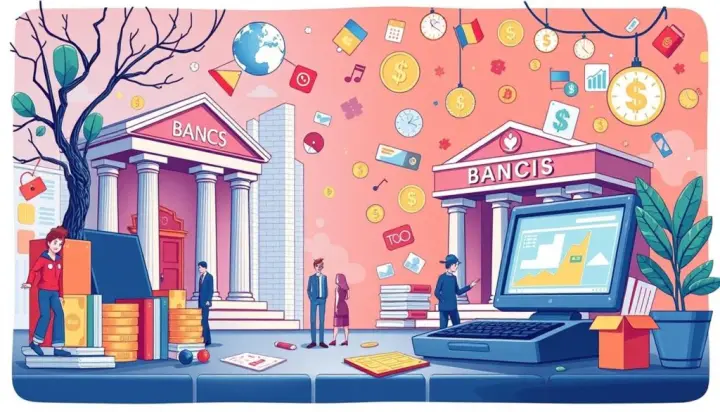 Comparison between traditional banks and online banks: which is the better option for Canadians?