Creating a Collaborative Learning Environment Using Roblox
Roblox offers educators a unique platform for creating a collaborative learning environment that enhances creativity and critical thinking. By engaging students in interactive projects, such as game development and historical simulations, educators can foster teamwork, communication skills, and a growth mindset, preparing students for future challenges in both academic and professional settings.
Understanding the Educational Value of Roblox
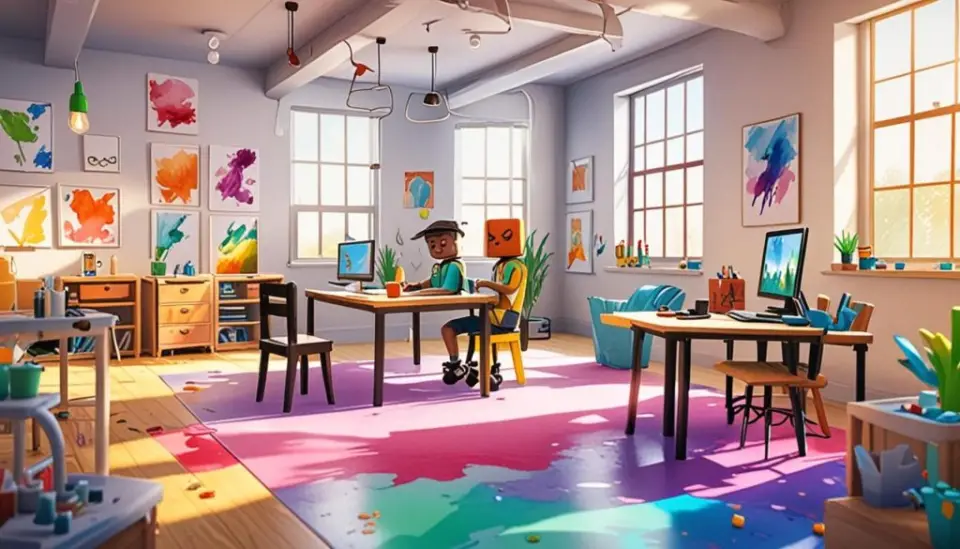
Roblox serves as a versatile platform that transcends the boundaries of traditional gaming. Rather than merely offering a space for entertainment, it empowers users, particularly students, to engage with their environment in a way that promotes creativity and collaboration. Through its innovative features, educators have the opportunity to craft a rich collaborative learning environment that can significantly enhance teamwork and foster innovation among students.
One of the standout elements of Roblox is its interactive gameplay. Traditional teaching methods often rely on static resources, but Roblox turns learning into an immersive experience. For example, students can explore historical events in a virtual setting, experiencing life in ancient Rome through carefully designed simulations. This method not only stimulates their curiosity but also helps them develop critical thinking skills as they navigate challenges within the game.
Moreover, the building mechanics of Roblox allow students to tap into their creativity and problem-solving abilities. Imagine a science class where students have to construct a model of a solar system using Roblox’s building tools. They determine the sizes of planets, the distance between them, and can even simulate orbiting processes. This hands-on experience not only reinforces their understanding of the subject but also promotes an engineering mindset essential for their future careers.
Community engagement is another crucial aspect of Roblox. The platform allows players to collaborate, share ideas, and provide feedback in real-time, creating a sense of belonging. For instance, coding sessions where students work in teams to create a game provide opportunities for peer-to-peer learning. They can learn from each other’s strengths while also building communication skills that are vital in any collaborative setting.
As educators strive to connect with students on platforms they engage with regularly, Roblox offers a pathway to introducing real-world concepts through an enjoyable lens. Subjects like mathematics can be made more accessible by incorporating game mechanics that require arithmetic problem-solving to advance in game levels, making learning both effective and fun.
This article aims to explore practical strategies for incorporating Roblox into educational frameworks, showcasing successful case studies and providing actionable tips that can help create a thriving learning community. Let’s embark on this journey to uncover the exciting educational opportunities Roblox brings to the table!
CHECK OUT: Click here to explore more
Implementing Collaborative Projects in Roblox
Utilizing the collaborative capabilities of Roblox allows educators to enhance student engagement through hands-on learning experiences. By creating meaningful assignments where students collaborate within the expansive Roblox universe, teachers can foster a dynamic educational environment that transcends traditional classroom boundaries. Here are several effective strategies for crafting these engaging projects:
- Group Game Development: Assign students to small teams tasked with designing and building their own games in Roblox. Each group will select a theme, brainstorm storylines, and develop engaging challenges to captivate players. During this collaborative process, students must communicate openly, delegate tasks based on individual strengths, and merge various skills, such as artistic design, sound effects, and coding, to bring their game concept to fruition. For example, one group might decide to create a mystery adventure game where players solve puzzles, enhancing their problem-solving and critical-thinking abilities while working together.
- Historical Reconstructions: Another compelling project focuses on recreating significant historical events or landmarks within Roblox. Imagine students re-creating the Boston Tea Party or the signing of the Declaration of Independence. By researching these events, students collaborate to design immersive environments that depict the historical context accurately. This project not only deepens their understanding of history but also equips students with essential research, collaboration, and presentation skills that can be applied in various academic disciplines.
- Coding Workshops: Educators can facilitate coding workshops using Roblox Studio, encouraging students to engage in team-based coding challenges. During these workshops, students can learn how to write scripts that enhance gameplay while collaborating on debugging and troubleshooting issues. This immersive coding experience not only sharpens their programming skills but also cultivates a supportive peer learning environment, where students help one another overcome hurdles and celebrate successes together.
Participation in collaborative projects like these allows students to apply their knowledge in practical, real-world scenarios. They learn to negotiate differing ideas, give and receive constructive feedback, and appreciate one another’s perspectives—vital skills for success in today’s competitive workforce.
Encouraging Communication and Leadership Skills
Collaboration within Roblox not only builds technical skills but also fosters strong communication and leadership abilities. As students partake in team activities or discussions around their projects, they practice articulating their thoughts and conveying ideas clearly. This collaborative atmosphere helps build their confidence in public speaking and presentation, key elements that contribute to academic success and future career readiness.
Moreover, students can assume various roles within a group—such as project leader, developer, designer, or researcher—allowing them to explore different aspects of teamwork. For instance, while some students may shine in scripting and building environments, others might excel in project management, strategizing, or creative ideation. This variety not only plays to their individual strengths but also fosters a sense of community where every voice is heard and valued, promoting solidarity and collaboration.
Incorporating collaborative learning projects into Roblox goes beyond mere enjoyment; it is essential for developing critical skills that today’s educational landscape demands. As educators embrace these innovative methods, they provide students with a robust foundation on which to build their academic and social competencies, preparing them to thrive in a continuously evolving world.
CHECK OUT: Click here to explore more
Integrating Assessment and Reflection in Collaborative Learning
Incorporating assessment and reflection into collaborative projects in Roblox is crucial for reinforcing learning outcomes and providing opportunities for continuous improvement. By ensuring that students understand how their collective efforts contribute to the overall project, educators can enhance the educational experience and foster accountability among team members. Here are some effective strategies for integrating assessment and reflection within Roblox collaborative projects:
- Peer Reviews: Implementing a structured peer review process enhances critical thinking and constructive feedback skills. After completing a project, students can evaluate each other’s work, discussing both strengths and areas for improvement. For instance, if one group develops a game that incorporates historical elements, other groups can review it based on criteria such as creativity, educational value, and user engagement. This not only promotes reflective thinking but also opens the door for dialogue about the creative process and problem-solving approaches.
- Reflective Journals: Encourage students to maintain reflective journals throughout their project experience. In these journals, they can document their individual contributions, thoughts on group dynamics, challenges faced, and personal learning experiences. Reflecting on their work allows students to recognize their growth and the importance of collaboration. For example, a student might write about how they overcame a conflict within the team or how they learned new skills while working with others, solidifying their understanding of the collaborative process.
- Self-Assessment Rubrics: Provide students with self-assessment rubrics that they can use to evaluate their own contributions to the group project. This prompts them to consider how effectively they collaborated with peers, completed tasks, and communicated their ideas. By regularly assessing their own progress, students can identify strengths and areas needing improvement, leading to personal accountability for their work and a better understanding of their impact within the team framework.
Fostering a Growth Mindset Through Collaboration
Creating a collaborative learning environment in Roblox also plays a fundamental role in fostering a growth mindset among students. Encouraging students to view challenges as opportunities for learning is vital, and Roblox serves as a perfect platform for this philosophy. When students encounter obstacles, whether in coding or design, the collaborative nature of their work can support resilience. They learn not only to find solutions individually but also to lean on their peers for assistance and encouragement.
For example, during a group project where students are tasked with scripting complex game mechanics, a student might initially struggle. Instead of giving up, they can seek help from their teammates, who may have different strengths or insights. Through this collaborative problem-solving process, they cultivate not just their technical skills but also emotional resilience and teamwork, vital components of a growth mindset.
The culture of collaboration inherently promotes risk-taking and innovation. Educators should emphasize that failure is a natural part of learning, and collaborative environments in Roblox normalize this experience. When students see that their peers are also grappling with challenges, they become more comfortable embracing difficult tasks, knowing they are not alone. This approach helps instill confidence, encouraging students to experiment creatively without fear of making mistakes.
Overall, integrating assessment, reflection, and a growth mindset into collaborative projects in Roblox significantly enhances students’ learning experiences. By emphasizing communication, accountability, and self-improvement, educators can build a collaborative framework that not only promotes academic success but also prepares students for future collaborative endeavors in both educational and professional settings.
SEE ALSO: Click here to read another article
Conclusion
In conclusion, creating a collaborative learning environment using Roblox not only enriches students’ educational experiences but also equips them with vital skills necessary for their future endeavors. By leveraging the interactive and engaging nature of Roblox, educators can foster critical thinking, creativity, and effective communication among students. The incorporation of strategies such as peer reviews, reflective journaling, and self-assessment promotes a sense of accountability and continuous growth. This reflective approach empowers students to evaluate their contributions and learn from both successes and challenges in a supportive environment.
Moreover, embracing a growth mindset is fundamental within these collaborative projects. When students view obstacles as opportunities for learning and persistence, they develop resilience and adaptability—key traits in today’s fast-paced world. By normalizing challenges and celebrating collective effort, students learn to work together, share knowledge, and innovate effectively. As educators, creating a culture that encourages collaboration and open dialogue fosters not only the academic growth of our students but also prepares them for the collaborative nature of modern workplaces.
Ultimately, as technology continues to transform education, platforms like Roblox provide an unparalleled opportunity to merge play with purposeful learning. By harnessing the strengths of collaborative environments, we can inspire the next generation of learners to think critically, act creatively, and work together harmoniously, ensuring they are well-equipped to face the future.
 Developing Problem-Solving Skills Through Educational Games on Roblox
 Gamification in Education: How Roblox Can Increase Student Motivation
 Creating Immersive Learning Experiences with Roblox: Tips and Strategies
 Integrating Roblox into the School Curriculum: Examples of Interdisciplinary Projects