The Evolution of Roblox’s Economy: Trends and Future Business Models
Roblox’s economy has transformed into a vibrant hub for creativity and entrepreneurship, driven by user-generated content and virtual currency, Robux. Trends such as collaborative game development, real-world economic integration, and potential blockchain integration promise an exciting future. These developments empower creators and promote financial literacy within the community.
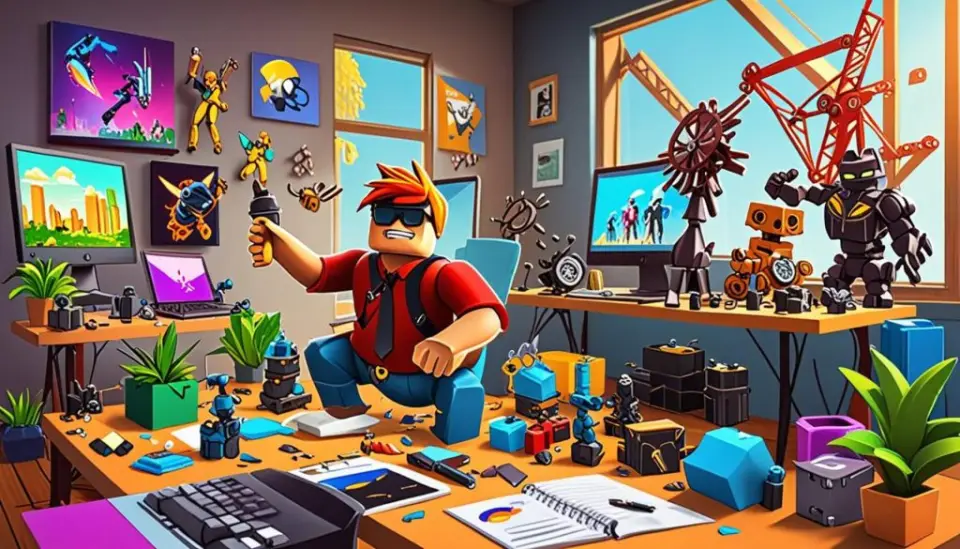
Understanding Roblox’s Economic Landscape
Roblox has grown exponentially in recent years, evolving from a simple platform for gaming into a dynamic hub of creativity resembling a bustling virtual economy. This transformation has provided countless opportunities for creators to not only showcase their talents but also build lucrative revenue streams. With millions of active users and an expansive user-generated content ecosystem, Roblox presents a unique case study in modern entrepreneurship.
At the heart of Roblox’s economy is its Virtual Currency, known as Robux. This currency is essential for facilitating transactions and engaging with content on the platform. Players can purchase Robux using real money, allowing them to buy game passes, avatar enhancements, and other virtual goods created by developers. For example, a popular game like “Adopt Me!” allows players to spend Robux on exclusive pets and items, significantly enhancing their gameplay experience and directly benefiting its creators.
Another key component is User-Generated Content. The vast majority of games on Roblox are created by users, who utilize the platform’s intuitive design tools to build engaging experiences. Successful creators often see substantial financial returns, as they can earn a portion of the revenue generated from in-game purchases. For instance, a developer who designs an engaging obstacle course game might earn thousands of dollars if their game becomes popular and players purchase virtual items associated with it.
The Marketplace Dynamics of Roblox further contribute to its thriving economy. Players can buy, sell, and trade virtual items on the platform, such as clothes and accessories for their avatars. This interaction not only increases player engagement but also fosters economic growth. Events like the Roblox Developer Conference bring creators together, sparking collaborations that can lead to new ideas and products, enhancing the overall marketplace.
As we look toward the future, several important considerations arise. One critical aspect is Sustainability. In a fast-paced digital landscape, creators must remain adaptive to keep their offerings fresh and appealing. This evolving consumer demand requires developers to stay attuned to user preferences and trends.
Furthermore, the Monetization Strategies employed by developers will play a significant role in shaping Roblox’s economic landscape. From offering subscription services to introducing limited-time items for purchase, innovative approaches can significantly impact a creator’s earning potential.
Lastly, maintaining Community Engagement will be essential as competition increases within the platform. Keeping players invested through regular updates, community events, and open communication channels can foster loyalty and encourage continuous interaction within the virtual ecosystem.
In conclusion, the evolution of Roblox’s economy offers valuable insights into potential future business models. By understanding the interplay between virtual currency, user-generated content, and marketplace dynamics, we can gain a deeper appreciation of how this unique platform not only entertains but also empowers creativity and entrepreneurship on a global scale.
SEE ALSO: Click here to read another article
The Foundations of Roblox’s Economy
To truly understand the economic landscape of Roblox, it’s essential to delve deeper into the mechanisms that power this virtual ecosystem. The foundation of Roblox’s economy is built on a cohesive interplay of user engagement, monetization strategies, and content creation. Each of these components interacts in unique ways, bringing forth trends that have not only changed how users perceive digital spaces but have also created wealth opportunities for countless developers.
1. User Engagement: The Key to Economic Vitality
User engagement is perhaps the most critical aspect of Roblox’s economy. The platform thrives on its ability to keep users immersed in its vast offerings. Engaging gameplay ensures players return, and when they are invested, they are more likely to spend their hard-earned Robux. Factors contributing to user engagement include:
- Interactive Gameplay: Games that allow for social interaction, competition, and collaboration often retain users longer. For example, games like “Brookhaven” foster a sense of community among players.
- Regular Updates: Developers who frequently add new features, items, or gameplay mechanics can keep players curious and returning for more. An evolving world keeps users interested.
- Creator Visibility: Exposure through events, social media, and inter-game collaborations gives developers opportunities to attract a larger audience.
2. Monetization Strategies: Turning Creativity into Revenue
Monetization on Roblox is multifaceted, with multiple approaches available for developers to turn their creative outputs into cash. Here, we explore different methods developers utilize to increase their income:
- Game Passes: These are one-time purchases that grant players special abilities or privileges in a game. For instance, purchasing a game pass in “Tower of Hell” allows users to access unique gameplay features that enhance their experience.
- Exclusive Game Items: Implementing limited-time items or exclusive content can create urgency among players to make purchases. Scarcity often drives demand in consumer behavior.
- Subscriptions and Memberships: Some developers have introduced subscriptions where players pay a recurring fee for ongoing access to premium content.
3. Content Creation: The Heart of the Roblox Economy
The rich tapestry of user-generated content on Roblox represents the heartbeat of its economy. As aspiring developers create games, avatars, and other experiences, they simultaneously contribute to a thriving marketplace. The unique aspect of Roblox is its empowerment of users to become the architects of their economy, with accessible tools provided to promote creativity and innovation. This self-generated content is essential not only for attracting players but also for driving sales, as creators earn a portion of the revenue generated from their own work.
By understanding these foundational elements—user engagement, monetization strategies, and content creation—we can better appreciate how they collectively shape the future of Roblox’s economy. The inherent flexibility and evolving nature of the platform suggest a promising landscape for both creators and players alike.
SEE ALSO: Click here to read another article
Emerging Trends in Roblox’s Economy
As Roblox continues to evolve, significant trends are shaping the economy and opening doors for future business models that promise to enhance user experience and developer opportunities. Understanding these trends is crucial for anyone looking to navigate or invest in the virtual economy of Roblox.
1. The Rise of User-Generated Experiences
Roblox has firmly established itself as a platform where creativity can flourish, and this has led to the rise of user-generated experiences. Unlike traditional gaming models where players are merely consumers, users on Roblox are both players and creators. As a result, the content produced becomes an integral part of the game’s economy. The platform incentivizes this trend through:
- Developer Exchange (DevEx): This program allows developers to exchange their earned Robux for real currency, thus fostering a profitable ecosystem where quality content can translate into tangible income.
- Roblox Events: The platform has embraced community engagement through events like the Roblox Developer Conference (RDC), which provides developers with insights, recognition, and networking opportunities that further enhance content quality and innovation.
- Collaborative Game Development: Some developers have begun forming teams to pool resources and ideas, leading to the creation of more complex and engaging gaming experiences.
2. The Integration of Virtual Currency with Real-World Economics
The relationship between Robux and real-world currency is becoming increasingly relevant. As more users invest in the platform, understanding the economic implications of virtual currencies is fundamental. This integration is evident through:
- Marketplace Dynamics: The in-game marketplace allows users to buy and sell items using Robux. This activity creates an economy within the game that mimics real-world market principles, such as supply and demand.
- Investment Opportunities: Savvy developers and creators view their designs as investments, focusing on long-term gains through user engagement and consistent updates that keep content fresh and appealing.
- Economic Literacy: The rise of virtual economies like Roblox is presenting opportunities for players to learn financial literacy concepts, such as budgeting and resource management, in a gamified setting.
3. Blockchain and Ownership of Digital Assets
As the demand for ownership and authenticity in the digital world grows, so too is the consideration of integrating blockchain technology into Roblox’s economy. This could lead to:
- Verified Ownership: Utilizing blockchain could allow players to own unique assets in games—digital items or properties verified on a blockchain, akin to non-fungible tokens (NFTs). This fosters a new level of value and investment in user-created content.
- Transparency in Transactions: Blockchain can ensure clear records of transactions, enabling users to track the history of their purchases and trades, enhancing trust in the platform.
- Royalty Structures: Implementing smart contracts for creators can automate revenue sharing, ensuring developers receive fair compensation whenever their content is used or resold.
As these trends unfold, the Roblox economy is poised to grow exponentially, compelling stakeholders to adapt and innovate. The convergence of these developments suggests a dynamic future, where creativity and economic principles work hand in hand to shape the experiences of millions worldwide.
SEE ALSO: Click here to read another article
Conclusion
In summary, the transformation of Roblox’s economy paints a picture of an innovative landscape where user engagement and creative expression are paramount. The shift towards user-generated experiences empowers players not only to consume content but also to actively create it, making them pivotal players in this vibrant economy. The introduction of programs like the Developer Exchange (DevEx) highlights a concrete pathway for creators to monetize their efforts, further incentivizing quality and creativity.
Moreover, with the integration of virtual currency into real-world markets, Roblox is becoming a playground for budding entrepreneurs, teaching valuable lessons in economic literacy and resource management. The potential adoption of blockchain technology will only serve to deepen the sense of ownership and security among users, establishing a framework for verified digital assets that could reshape how virtual marketplaces operate.
As we look ahead, Roblox’s economy is likely to continue evolving in response to these emerging trends. Stakeholders are urged to remain agile, adopting new business models that embrace collaboration, innovation, and transparency. As these dynamics unfold, Roblox is not just offering entertainment; it is fostering a community where players can learn, create, and thrive financially. The future of Roblox’s economy promises exciting opportunities as it intertwines creativity with sound economic principles, paving the way for a richer online experience that resonates with millions globally.
 The Role of Microtransactions in the Financial Sustainability of Games on Roblox
 The Influence of Virtual Economy on Game Development in Roblox
 Analysis of the Impact of Rare Item Economy on Player Behavior in Roblox
 Impact of Economic Fluctuations on the Marketplace of Virtual Items in Roblox