User Interaction and Monetization: How Game Creators Can Leverage
Monetizing successful video games hinges on fostering strong user interaction. By implementing strategies like in-game purchases, season passes, and community engagement, game creators can boost revenue while enhancing player satisfaction. Understanding audience preferences ensures developers create immersive experiences that encourage loyalty and long-term financial success.
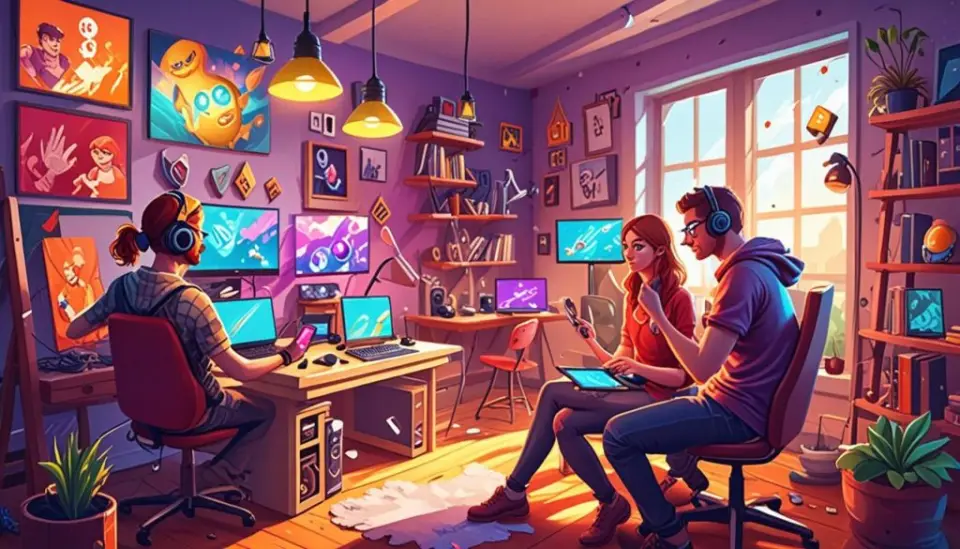
The Importance of Monetization in Video Games
Creating an engaging video game is only half the battle for developers. The real challenge lies in monetizing that success while encouraging strong user interaction. Understanding this dynamic can lead to greater revenue and a loyal player base. Effective monetization strategies are essential not just for financial viability but also for fostering a vibrant community around the game.
Game creators can leverage user interaction effectively through various strategies, including:
- In-Game Purchases: These transactions allow players to buy exclusive items, skins, or upgrades that enhance their gaming experience. For instance, in popular titles like “Fortnite”, players can purchase unique character skins or emotes. This not only adds a personal touch to the game but also serves as a significant revenue stream for developers.
- Season Passes: Many games offer seasonal content through a Season Pass, creating excitement and anticipation. This model keeps players engaged over several months by providing new challenges, quests, and rewards. A prime example is “Call of Duty,” where players pay for a Season Pass that unlocks exclusive content periodically, encouraging regular engagement while driving recurring revenue.
- Advertisements: While not all players appreciate them, integrating advertisements in a non-intrusive way can provide a source of revenue without detracting from gameplay. Games like “Candy Crush” utilize rewarded ads, where players can watch a short video in exchange for in-game currency or lives, ensuring a balanced approach to monetization.
- Community Engagement: Building forums or social media groups is vital for fostering a sense of community. Developers can gather valuable user feedback, which can improve gameplay or address issues. For instance, games like “Minecraft” have thriving online communities where players share ideas, tips, and modifications, leading to an enriched gaming experience and increased loyalty.
In today’s digital age, understanding your audience is crucial. By actively engaging with players through forums, social media, and in-game prompts, developers can better cater to their needs and preferences. Utilizing effective monetization strategies ensures that players feel they are getting value for their money, which enhances the overall experience. When players are engaged and satisfied, they are more likely to recommend the game, thus broadening the user base and increasing potential earnings.
In conclusion, balancing user interaction with monetization is essential for modern video game development. By employing thoughtful strategies that prioritize player experience while generating revenue, game creators can establish a successful and enduring product. Ultimately, this approach benefits not just the developers but also the players who seek enjoyment and community in their gaming journeys.
CHECK OUT: Click here to explore more
Understanding User Interaction
User interaction within video games serves as the foundation for successful monetization strategies. When players engage actively with a game, they develop a sense of attachment and investment that can significantly influence their willingness to spend money. Game creators must recognize the importance of interaction as a tool for driving revenue and enhancing player experience.
To effectively leverage user interaction, developers should consider several key elements that contribute to a more immersive and engaging gaming environment:
- Feedback Mechanisms: Providing players with a way to voice their opinions can enhance user satisfaction. Feedback tools, such as surveys or in-game reporting features, allow players to convey their experiences directly to developers. For instance, “Among Us” thrives on player feedback, which has led to continuous improvements and updates, keeping the community energized and invested in the game.
- Real-Time Events: Hosting time-limited events within the game fosters excitement and urgency, motivating players to participate and spend money. Popular games like “Genshin Impact” frequently introduce new characters or exclusive items during special events, which not only captures player attention but also drives sales as players aim to obtain limited-time content.
- Social Features: Incorporating social dynamics into games can create a strong sense of camaraderie among players. Multiplayer modes, chat systems, and team challenges allow players to connect and collaborate, enhancing their experience. Titles like “League of Legends” utilize team play to build community, encouraging players to invest in enhancements that elevate their competitive edge.
- Personalization: Allowing players to customize their characters or gameplay experiences contributes to deeper engagement. Offering exclusive in-game items or character options creates a sense of ownership that translates into monetization opportunities. Games like “The Sims” capitalize on personalization, allowing players to purchase expansion packs that unlock new content, driving both enjoyment and revenue.
Understanding how these elements promote user interaction can help developers design their monetization strategies around their player base’s needs and desires. For example, games that allow users to actively participate in shaping content often experience increased user loyalty. When players feel that their input matters, they are more likely to spend money and spread positive word-of-mouth, amplifying the game’s reach.
Furthermore, engaging players through platform-specific features like Twitch or Discord can provide developers with real-time insights into player behavior and preferences. Through live streams or community discussions, creators can identify trends and adapt their monetization strategies in line with player expectations.
In summary, the relationship between user interaction and monetization is pivotal in today’s gaming landscape. By focusing on enhancing engagement, developers can create a thriving ecosystem where players feel valued and eager to invest in the game’s future, ultimately leading to mutual benefits for both creators and gamers.
CHECK OUT: Click here to explore more
Strategies for Enhancing User Interaction
To truly capitalize on user interaction, game creators need to implement strategic initiatives that foster engagement while aligning with monetization goals. Here are several effective strategies that can be employed:
- Dynamic Content Updates: Regular updates with new content not only keep players engaged but also create opportunities for monetization. By introducing fresh characters, missions, or game mechanics, developers can re-engage both veteran players and newcomers. For example, “Fortnite” masterfully rolls out seasonal updates featuring new themes and challenges that drive in-game purchases. Players are often willing to spend money to access limited-time items or unlock new experiences, demonstrating how dynamic content is intertwined with monetization.
- Reward Systems: Implementing reward systems can motivate players to participate more actively in the game. Such systems, including daily login bonuses or achievement rewards, encourage consistent engagement, making users more likely to invest money. Mobile games like “Candy Crush” utilize rewarding mechanisms effectively, where players can earn boosters or extra moves, incentivizing continued play and potentially increasing in-game purchases as players strive to complete levels.
- Community Building: Fostering a strong gaming community is essential for user retention. Game creators can use forums, social media groups, and events to connect players, cultivate relationships, and facilitate discussions on strategy and gameplay. Games such as “World of Warcraft” showcase the importance of community-driven interactions, as they encourage guild formations and cooperative gameplay. When players feel a part of a community, they are often more likely to spend money on in-game items or expansions to enhance their experience.
- In-Game Economy Management: Developing a robust in-game economy can enhance user interaction and incentivize involvement in monetary transactions. For instance, if players can earn in-game currency through achievements or participation, they may be more willing to spend real money to purchase additional currency or items. “Animal Crossing: New Horizons” exemplifies this, as players can earn “Bells” by participating in activities, while the option to purchase “Nook Miles” provides an additional layer for monetization.
- Cross-Promotion and Collaborations: Collaborating with other brands or game creators can provide fresh content while exposing games to potential new audiences. Limited-time crossover events or themed characters from popular franchises attract attention and motivate players to engage and spend. For instance, games like “Call of Duty” often link up with movies or music artists for promotional content that not only drives user interaction but also translates into sales.”
Additionally, leveraging user-generated content (UGC) can amplify engagement and create a sense of ownership among players. By allowing users to create and share their own mods, characters, or levels, developers can enhance community interaction. Games like “Minecraft” thrive on UGC, as creative players build and share their unique designs, which can subsequently lead to increased interest in premium versions or DLC.
In the ever-evolving landscape of gaming, it’s crucial for developers to adapt their monetization strategies in response to user interactions. By being attentive to the preferences and behaviors of their player base, developers can refine their offerings and create a gaming environment that not only promotes active participation but also cultivates long-term financial success.
SEE ALSO: Click here to read another article
Conclusion
As the gaming industry continues to expand and evolve, understanding user interaction and its impact on monetization strategies has never been more critical for game creators. The intertwining of engaging gameplay experiences with thoughtful monetization tactics not only encourages player retention but also drives revenue growth. By regularly offering dynamic content updates, implementing comprehensive reward systems, and cultivating a strong sense of community, developers can foster environments that enhance player satisfaction while simultaneously promoting spending.
Additionally, effective management of the in-game economy can empower users, making them feel invested in the game while also encouraging financial transactions. Collaborations and cross-promotional events further enrich the gaming experience, attracting new audiences and maximizing profit potential. Furthermore, the inclusion of user-generated content allows players to contribute creatively, establishing a greater sense of ownership and loyalty.
In summary, the key lies in creating a holistic approach that prioritizes user engagement and satisfaction as foundational elements of a successful monetization strategy. By staying responsive to player preferences and adapting to shifts in behavior, game developers can unlock innovative opportunities that ensure long-term viability and success in a highly competitive landscape. Ultimately, the fusion of user interaction and monetization not only benefits developers but also enhances the overall gaming journey for players, leading to enjoyable experiences that resonate and endure.
 Game Design in Roblox: Best Practices for Optimizing User Interaction
 Exploring User Interaction through Content Creation Tools in Roblox
 Impact of the Community on User Interaction in Roblox: Collaboration and Creativity in Game Development
 Gamification and User Interaction in Roblox: Strategies to Engage Players