The Evolution of Online Banking in Canada: How Technology Is Transforming the Financial Sector
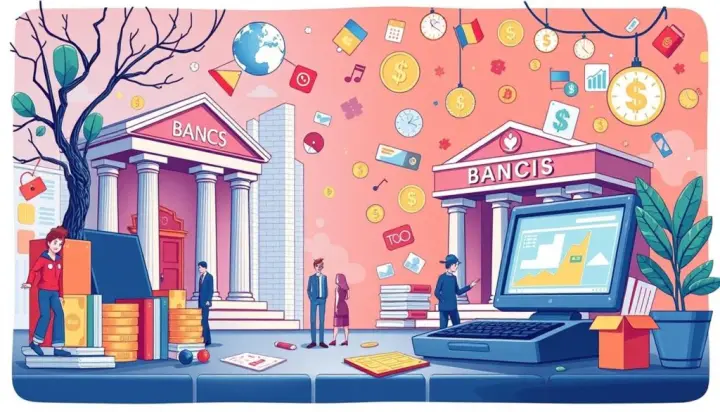
The evolution of online banking in Canada is driven by technological advancements, enhancing accessibility, security, and cost efficiency. Innovations like AI, biometric authentication, and blockchain transform customer experiences, pushing banks to adapt and compete. This shift is crucial for creating a more inclusive, efficient, and personalized financial ecosystem.

The Evolution of Banking in Canada
The landscape of banking in Canada has undergone remarkable transformations due to advancements in technology. As digital solutions become integral to consumer experiences, online banking is at the forefront of this evolution. In particular, the following factors illustrate the rapid changes within the financial sector:
- Increased Accessibility: Canadians can manage their finances from anywhere, at any time. This change has been particularly beneficial for the geographically dispersed population of Canada, allowing users in remote areas to engage with financial services that may not have been easily accessible before. For example, rural Canadians can now apply for loans or open investment accounts without the need to travel long distances to physical banks.
- Enhanced Security: Technological innovations, such as biometric authentication, protect customers’ sensitive information. Many banks are implementing fingerprint recognition and facial recognition technologies as part of their authentication processes, providing customers with peace of mind. Moreover, features like two-factor authentication add an additional layer of protection, ensuring that even if login credentials are compromised, unauthorized access is still prevented.
- Cost Efficiency: Online banking often leads to lower operational costs, benefiting both consumers and banks. With the reduced need for physical branches, banks can pass savings onto customers through lower fees and higher interest rates on savings accounts. This financial dynamic encourages more Canadians to explore the benefits of online banking, leading to increased competition in the sector as banks strive to offer the best services at the most competitive prices.
Moreover, Canadian financial institutions are adopting innovative technologies to improve services. Key advancements include:
- Mobile Banking Apps: Allowing users to conduct transactions seamlessly on their smartphones. These apps provide functionality such as mobile cheque deposits, peer-to-peer payments, and budgeting tools, often featuring user-friendly interfaces that enhance customer engagement and satisfaction.
- Blockchain Technology: Offering secure transaction methods and improving transparency. While still in its nascent stages within retail banking, blockchain has the potential to streamline processes such as clearing and settlement, significantly reducing transaction times and costs associated with traditional banking methods.
- AI and Chatbots: Providing personalized customer support and enhancing user experience. These AI-driven tools can handle routine inquiries, thereby freeing human agents to tackle more complex issues. For instance, Canadian banks such as TD Canada Trust have integrated chatbots into their customer service platforms, significantly improving response times and availability for their clients.
This ongoing evolution not only reshapes how Canadians interact with their finances but also drives competition among banks to deliver superior service. Financial institutions continuously reassess their strategies in light of emerging technologies to meet evolving consumer expectations. Understanding these trends is essential to grasp the future of the Canadian banking ecosystem, as technological integration will likely accelerate, resulting in further innovations that could redefine personal finance management in the years to come.
Shifts in Consumer Behavior and Expectations
The transformation of online banking in Canada can be largely attributed to shifts in consumer behavior and expectations shaped by the digital age. As Canadians become more accustomed to the convenience and immediacy that technology offers, their preferences regarding banking services have changed significantly. Several key aspects highlight these shifts:
- Demand for Convenience: Modern consumers expect financial services to be available at their fingertips. This expectation has led to an increased demand for online banking platforms that facilitate quick financial transactions, account management, and access to information. Canadian banks have responded by developing robust online interfaces and mobile applications that allow customers to conduct transactions with minimal effort, such as transferring funds between accounts or paying bills instantly through mobile applications.
- Personalization of Financial Services: Today’s customers are seeking more than just standard banking services; they desire personalized financial products tailored to their individual needs. Utilizing data analytics, banks can curate offerings based on customers’ spending habits and preferences. For instance, institutions such as RBC and Scotiabank now provide personalized insights into spending trends and savings goals to help customers manage their finances more effectively.
- Integration with Other Financial Tools: As the concept of ‘financial wellness’ gains traction, there is a growing expectation for banking services to integrate seamlessly with other financial management tools. Canadian consumers often look for features that allow for budgeting, investment tracking, and credit score monitoring all in one place. This has propelled banks to incorporate features from third-party apps into their offerings, ensuring a holistic approach to financial management.
The rapid pace of technological advancements also plays a significant role in this transformation. Various technologies have continuously emerged, further reshaping the online banking experience:
- Cloud Computing: By leveraging cloud technology, banks can offer more reliable and scalable services. This technology allows for secure data storage, enabling banks to safeguard sensitive customer information while ensuring that customers have consistent access to their accounts from anywhere in the world.
- Real-Time Transactions: Advancements in payment processing technology have made it possible for transactions to be completed almost instantaneously. With the introduction of Interac e-Transfer and other real-time payment systems, Canadians can send and receive money within minutes, which addresses the growing need for immediate access to funds.
- Regulatory Framework Changes: As online banking evolves, regulatory frameworks in Canada have also adapted to ensure consumer protection and data security. The Financial Consumer Agency of Canada (FCAC) enforces regulations that encourage banks to be transparent and responsible in how they handle client data, fostering trust in online banking systems.
These shifts and technological advancements not only redefine customer expectations but also challenge banks to innovate continuously. The competitive landscape pushes financial institutions to stay ahead or risk losing customers to emerging fintech companies that are nimble and more aligned with the desires of digital-savvy consumers. As Canada embraces this paradigm shift towards a more technology-driven financial landscape, the implications for both consumers and banks are profound, signaling a significant evolution that is still unfolding.
Technological Innovations Driving Change
As consumer expectations continue to evolve, technological innovations play a pivotal role in reshaping the online banking landscape in Canada. Financial institutions are leveraging advancements across various domains to enhance customer experience, improve operational efficiencies, and address emerging challenges in cybersecurity and customer service. Several key innovations have been particularly influential:
- Artificial Intelligence (AI) and Machine Learning: AI and machine learning algorithms are being employed by banks to personalize customer interactions and streamline operations. For example, AI-driven chatbots are now a common feature on many banking websites and mobile apps, providing customers with 24/7 support. These chatbots can assist users in routine inquiries, such as checking balances and making payments, freeing up human resources for more complex customer service tasks.
- Biometric Authentication: With cybersecurity concerns heightening, Canadian banks are increasingly adopting biometric technologies for authentication purposes. Biometrics—such as fingerprint recognition, facial recognition, and voice verification—are being integrated into mobile banking applications to enhance security and provide a user-friendly experience. According to a report by the Canadian Bankers Association, over 70% of consumers expressed a preference for biometric security over traditional passwords, highlighting the growing demand for secure authentication methods.
- Blockchain Technology: Blockchain, known for its potential to revolutionize transactions with its secure, decentralized ledger, is being explored by various financial institutions. In Canada, banks and fintech firms are collaborating on pilot projects that utilize blockchain for cross-border payments, aiming to reduce transaction times and costs. The Operations Practice (OPS) at the Bank of Canada is currently testing the use of blockchain for payment settlement, which could significantly streamline processes in the future.
- Open Banking: The introduction of open banking in Canada is another transformative trend in the online banking sector. Open banking facilitates data sharing between financial institutions and third-party service providers through Application Programming Interfaces (APIs). This allows consumers to access a wider range of financial services, such as budgeting tools and alternative lending options, tailored to their needs. The implementation of open banking fosters greater competition, driving innovation and potentially leading to better services and lower costs for consumers.
In response to these technological advancements, traditional banks are actively investing in research and development to ensure they can compete with emerging fintechs. Various Canadian banks have established innovation hubs and partnerships with tech companies to accelerate the adoption of cutting-edge technologies. For instance, Toronto-Dominion Bank has launched an internal incubator program to foster innovation, enabling employees to test new ideas that enhance customer engagement and service delivery.
As a result of these innovations, the online banking experience for Canadians is becoming increasingly seamless and personalized. Banks are not only focused on expanding their digital offerings but also on creating intuitive user interfaces that simplify navigation and transaction processes. Customer feedback is being actively sought to refine and improve mobile application features, demonstrating banks’ commitment to adapting to their customers’ evolving preferences.
The integration of new technologies into the Canadian banking sector is not merely an enhancement of existing services; it represents a fundamental shift in how financial institutions interact with their customers. As technology continues to evolve, so too will the opportunities for banks to innovate, ensuring that they remain relevant and capable of meeting the demands of a modern, digital-savvy consumer base.
Conclusion
The evolution of online banking in Canada is a testament to the significant impact of technology on the financial sector. As we’ve explored, advancements such as artificial intelligence, biometric authentication, blockchain, and open banking are not only reshaping the way banks operate but are also transforming customer interactions into more efficient, personalized experiences. The integration of these technologies demonstrates a proactive approach by traditional banks in adapting to the rapidly changing digital landscape and responding to consumer expectations.
Furthermore, the commitment of Canadian financial institutions to innovation and improvement reflects an understanding that staying competitive in the digital age requires continuous adaptation and exploration of new ideas. Initiatives like internal incubator programs and partnerships with fintech companies highlight this proactive stance. As security concerns and the demand for convenience rise, the shift toward more robust and user-friendly banking solutions is crucial for meeting the diverse needs of consumers.
Looking ahead, the ongoing evolution of online banking is poised to redefine the foundations of financial services in Canada. Banks must remain vigilant in embracing these technological advancements while ensuring robust security measures are in place to protect consumer data. Ultimately, the ongoing transformation in online banking will likely result in a more inclusive, efficient, and customer-centric financial ecosystem, paving the way for enhanced financial literacy and engagement among Canadians.
 Online Banking Security: How to Protect Your Finances in the Digital Age
 The Revolution of Online Banks: How Technology Is Transforming the Financial Experience of Canadians
 The future of banking services: trends in online banks for 2024 and beyond
 Comparison between traditional banks and online banks: which is the better option for Canadians?