The importance of having an emergency fund: how and why to build one
An emergency fund is essential for financial stability, providing peace of mind during unexpected events like job loss or medical emergencies. By saving three to six months’ expenses, automating contributions, and keeping funds separate, you can protect against debt and enhance overall financial health. Prioritizing this fund empowers confident decision-making amid life’s uncertainties.
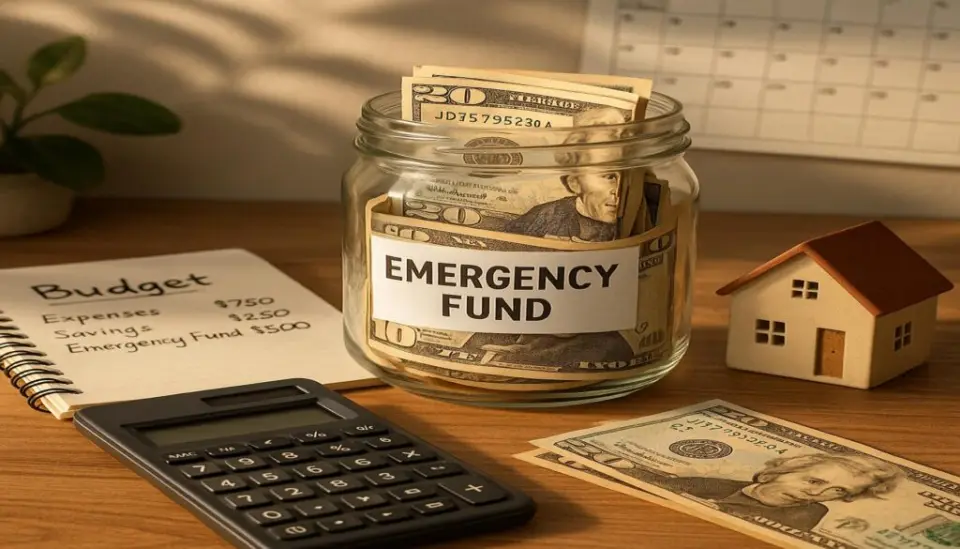
The Importance of an Emergency Fund
Having an emergency fund is a critical component of financial stability. It acts as a safety net during unexpected situations, offering peace of mind when life throws curveballs. In Canada, where living costs can be high, establishing such a fund is particularly essential. Examples of events that might necessitate an emergency fund include:
- Job loss or reduced hours, which can strain budgets instantly.
- Medical emergencies that may arise, such as unexpected surgeries or illnesses that lead to high healthcare costs.
- Car repairs or unexpected home expenses like a roof leak or plumbing issues that require immediate attention.
Why You Should Have an Emergency Fund
To build an effective emergency fund, it’s important to understand its purpose and how to grow it. Here are some key reasons why you should have one:
- Financial security: It helps cover basic living expenses when income is disrupted. For instance, in the event of a job loss, your emergency fund can ensure that you continue to pay for essentials such as rent or groceries while you search for a new job.
- Avoiding debt: Having an emergency fund keeps you from relying on credit cards or loans during emergencies. This is particularly important in Canada, where credit card debt can accumulate quickly due to high-interest rates. By having cash available, you won’t need to add to your liabilities when the unexpected happens.
- Peace of mind: Knowing that you have a financial cushion can significantly reduce stress. This reassurance allows you to handle unforeseen expenses comfortably without the added worry of how to pay for them.
Building Your Emergency Fund
Creating an emergency fund isn’t just about setting aside money; it’s about cultivating a proactive approach to your finances. Here are practical strategies you can use to build your fund:
- Set a savings goal: Aim to have three to six months’ worth of expenses saved in your emergency fund. For example, if your monthly expenses total $2,000, target a fund of $6,000 to $12,000.
- Automate your savings: Consider setting up an automatic transfer to your savings account each payday. Making saving a non-negotiable part of your budget can make it much easier to accumulate funds over time.
- Keep it separate: Store your emergency fund in a high-interest savings account, away from your everyday spending, to avoid the temptation to dip into it for non-emergencies.
In conclusion, an emergency fund is not merely a financial asset; it serves as a foundation for your overall financial health. Such preparation can protect you from many financial stressors and allow you to focus on your long-term financial goals. Prioritizing this fund creates a significant buffer against life’s unpredictability, helping to secure a more stable future.
Understanding the Foundations of an Emergency Fund
Building an emergency fund is not an overnight task; it requires a commitment to financial discipline and smart planning. The first step in this journey is to understand the core principles that guide the creation of a robust emergency fund. To effectively establish and maintain this financial cushion, it’s crucial to consider the following elements:
- Assess your expenses: Begin by calculating your monthly expenses to determine how much money you would need in an emergency fund. Create a detailed list that includes rent or mortgage payments, utilities, groceries, transportation costs, and insurance. For example, if your total monthly expenses add up to $2,500, your savings goal should ideally cover three to six months of this amount, leading to a target range of $7,500 to $15,000.
- Choose a suitable savings account: The type of account you select for your emergency fund is important. Opt for a high-interest savings account that allows for easy access to your funds without penalties. This way, your money can earn some interest while remaining accessible during a genuine emergency.
- Start small but be consistent: If the goal appears daunting, begin with a manageable amount, such as $500 or $1,000, and gradually build your fund. Consistent contributions, even if small, can lead to significant growth over time. Consider setting a monthly savings target that fits into your budget, which could be as little as $50 or $100.
As you embark on this journey of building an emergency fund, remember to maintain motivation. A visual representation of your goals, such as a chart or graph that tracks your progress, can serve as a constant reminder of your determination. It’s essential to celebrate milestones, no matter how small, to keep yourself encouraged.
Moreover, consider adopting a mindset of prioritizing your emergency fund as a non-negotiable expense in your budget, much like your rent or mortgage payment. This shift in perception can help solidify the importance of having this financial buffer and reinforce the habit of saving.
Finally, it’s vital to periodically reassess your fund, especially after significant life changes such as moving, starting a family, or changing jobs. Adjust your savings goal to reflect any changes in your financial obligations. An emergency fund is a living entity – it should grow and adapt as your life circumstances change.
By laying a solid foundation and setting clear goals, you will be well on your way to establishing an emergency fund that provides peace of mind and financial security. In a country like Canada, where unexpected events can arise at any moment, being prepared is a critical component of a wise financial strategy.
The Benefits of an Emergency Fund
Having an emergency fund is more than just a safety net; it’s a key component of financial stability and peace of mind. Understanding the benefits can motivate you to prioritize building this fund. Here are some of the compelling reasons why an emergency fund is essential:
- Financial peace of mind: Knowing that you have a reserve of funds set aside for unexpected expenses can significantly reduce stress. For instance, if your car breaks down or you incur an unexpected medical bill, you can address these issues without resorting to high-interest debt or impacting your monthly budget. This peace of mind is invaluable for your overall well-being and can help you make better financial decisions.
- Protection against debt: One of the most significant dangers of not having an emergency fund is the reliance on credit cards or loans to cover urgent expenses. The average credit card interest rate in Canada can exceed 19%, leading to a cycle of debt that can be difficult to escape. By having an emergency fund, you can tackle unexpected costs without falling into debt or further jeopardizing your financial health.
- Confidence in making life decisions: An emergency fund allows you to make bold life choices with increased confidence. Whether it’s starting a new job, moving to a new city, or even going back to school, knowing you have a financial cushion can enable you to pursue opportunities without the paralyzing fear of financial instability. For example, if you want to transition careers but fear losing income during the switch, your emergency fund can support you in making that change.
- Flexibility during economic downturns: Life is unpredictable, and economic downturns can affect anyone. Job loss or reduced hours can place many people in a precarious financial situation. With an emergency fund, you’re better equipped to weather these challenges. By having several months’ worth of expenses saved, you can navigate through tough times and seek employment that suits your long-term goals, rather than quickly taking any available job out of desperation.
- Improved overall financial health: Establishing an emergency fund often prompts individuals to adopt better financial habits overall. The process of budgeting and saving encourages individuals to track their spending, reduce unnecessary costs, and think critically about long-term financial goals. This holistic approach to finances can foster healthier budgeting habits, clearer financial planning, and an improved ability to invest and save for the future.
Moreover, setting aside funds for emergencies should not be viewed as a static exercise. It’s important to regularly review and adjust your emergency fund based on changes in income, expenses, and lifestyle. For instance, if you get a promotion and your salary increases, consider increasing the amount you contribute to your emergency fund. Similarly, if you take on new financial responsibilities, such as starting a family, reassessing your savings goal can better prepare you for future uncertainties.
In Canada specifically, unexpected challenges can arise from various sources, including natural disasters, health crises, or economic fluctuations. With a well-prepared emergency fund, you can face these challenges head-on while maintaining your financial integrity and overall quality of life.
Conclusion
In conclusion, establishing an emergency fund is a fundamental step towards achieving financial stability and personal peace of mind. By prioritizing the creation of this financial safety net, you not only shield yourself from unforeseen expenses but also empower yourself to make confident life choices, such as pursuing new opportunities or handling economic uncertainties.
As we discussed, the necessity of having funds set aside goes beyond mere practicality; it serves as a buffer against the potential pitfalls of debt and poor financial decision-making. By actively saving and reassessing your emergency fund in response to changing circumstances, you not only prepare for unexpected events but also foster better overall financial habits. This proactive approach encourages a more thoughtful understanding of your finances and can significantly improve your financial health over time.
Moreover, the specific financial landscape in Canada, with its unique challenges and costs of living, underscores the importance of building a robust emergency fund. Whether facing a medical emergency, job loss, or a natural disaster, being financially prepared allows you to navigate such crises without undue stress.
As you embark on your journey to build an emergency fund, remember that every little contribution counts. Stay consistent, be patient, and embrace the security that comes from being prepared. After all, the goal of financial wellbeing is not just to survive life’s challenges but to thrive amidst them.
 Investing in real estate: What to consider before buying your first home in Canada
 How to Create an Effective Budget for Your Lifestyle in Canada
 The importance of an emergency fund: How and how much to save for financial surprises in Canada
 Retirement Savings Strategies: How to Prepare Financially for the Future