Tips for Negotiating Debts and Improving Credit Score in Canada
Managing debt and improving credit scores in Canada is crucial for financial stability. Key strategies include assessing your debt, knowing your negotiation rights, effective communication with creditors, and understanding credit report components. Regular monitoring of your credit and seeking professional help can lead to better debt management and enhanced creditworthiness.
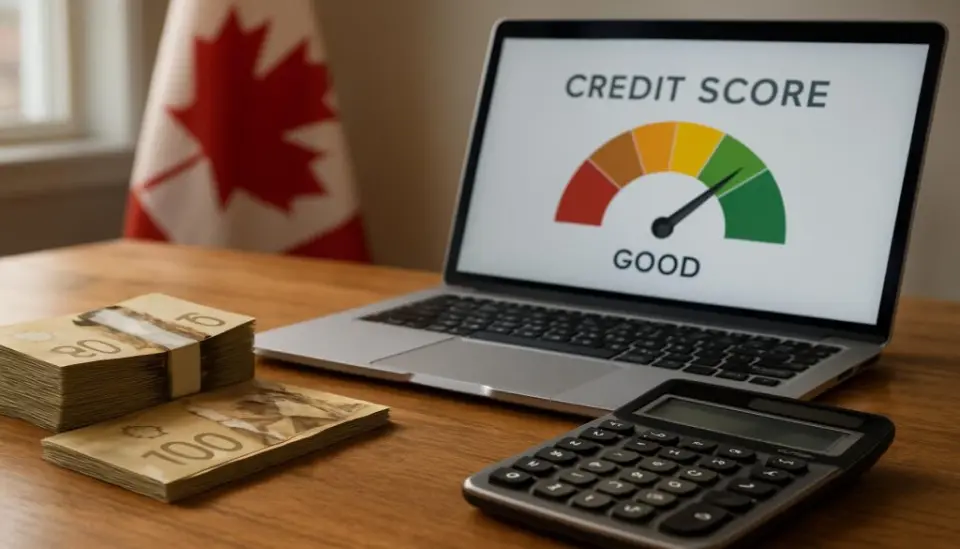
Understanding Debt Management in Canada
Managing debt effectively and maintaining a healthy credit score are essential components of achieving financial stability in Canada. In a landscape marked by rising living costs and economic uncertainties, many Canadians face the daunting task of navigating financial challenges. To mitigate the burden of debt and enhance creditworthiness, adopting effective negotiation strategies and credit management practices is vital.
Assessing Your Debt Situation
Understand Your Debt: To begin the debt management process, it is crucial to conduct a thorough assessment of your financial obligations. This includes identifying the various types of debt you hold, such as credit cards, personal loans, student loans, and mortgages. For instance, according to a report from the Bank of Canada, the average Canadian household owed $1.83 for every dollar of disposable income as of early 2023. This statistic highlights the importance of having a clear view of your debts to devise a workable repayment strategy.
Know Your Rights During Negotiations
Know Your Rights: As a consumer in Canada, it is imperative to familiarize yourself with the consumer protection laws that safeguard your rights, particularly during debt negotiations. Under the Canadian Consumer Protection Act, you are entitled to fair treatment and transparent information regarding your debts. Understanding these rights empowers you to challenge unfair practices and can lead to more advantageous negotiation outcomes.
The Importance of Effective Communication
Communicate Actively: Engage in open and transparent discussions with your creditors. Proactively communicating your financial situation can lead to opportunities for negotiating revised payment plans or settlement options that better align with your current capabilities. For example, if you find yourself unable to meet a high-interest credit card payment, consider reaching out to your lender to discuss potential hardship programs or reduced interest rates.
Improving Your Credit Score
A healthy credit score is equally critical, influencing your eligibility for various financial products and the terms associated with them. Improving your credit score can significantly enhance your financial prospects.
Key Factors Affecting Credit Scores
- Timely Payments: Ensure that all your bills, from utilities to loans, are paid punctually. Payment history is one of the most significant factors impacting your credit score, and any missed payments can have adverse effects. Set up reminders or automated payments to help you stay on track.
- Credit Utilization Ratio: This metric reflects how much credit you are using relative to your total credit limit. Aim to keep your credit utilization ratio below 30%. For example, if your total available credit is $10,000, try to maintain your outstanding balances below $3,000 to demonstrate responsible borrowing habits.
- Regular Monitoring: It is advisable to regularly review your credit report for any inaccuracies or discrepancies that could negatively affect your score. The major credit reporting agencies in Canada—Equifax and TransUnion—allow you to access your credit report for free once a year. Taking the time to dispute any errors can have a positive impact on your credit score.
By employing these effective strategies, individuals can negotiate their debts more successfully and work towards enhancing their credit scores. These actions ultimately pave the way for improved financial opportunities, allowing Canadians to better navigate their financial futures amidst challenges.
Strategies for Effective Debt Negotiation
Negotiating debt requires a strategic approach; understanding your financial landscape is the first step towards achieving favorable outcomes. By employing various negotiation techniques, consumers in Canada can alleviate the pressure of their financial obligations and work towards more manageable repayment plans.
Prepare Your Financial Information
Gather Documentation: Before entering negotiations, compile all relevant financial documents, including statements, payment history, and correspondence with creditors. This information will provide a clear picture of your financial situation and help you present a compelling case to your creditors. Furthermore, having detailed evidence of your income and expenses can serve as a solid foundation during negotiations. Creditors are more likely to work with you if they see that you have a genuine understanding of your financial status.
Develop a Negotiation Strategy
Set Clear Goals: Identify what you want to achieve from the negotiation process. Whether it is lowering your interest rate, extending your repayment term, or negotiating a lump sum settlement, having clear objectives will guide your discussions. For instance, if your goal is to reduce monthly payments, calculate a feasible amount that you can commit to, ensuring that it remains within your budget.
Be Flexible: While having a plan is vital, being open to alternative solutions can also lead to successful negotiations. Creditors may propose options that you hadn’t considered, such as temporary forbearance or a payment plan that works better for your situation. Engaging in collaborative dialogue can create a more constructive negotiation atmosphere.
Practice Active Listening
Listen to Your Creditors: During negotiations, actively listen to what your creditor representatives are saying. They may provide valuable insights into available programs or settlements that can be beneficial to you. Understanding their perspective will allow you to respond appropriately and maintain a cooperative tone, which can facilitate a more successful negotiation process.
Building and Maintaining a Strong Credit Score
An essential component of financial stability is a strong credit score. Building and maintaining a good credit score not only enhances your borrowing capacity but also affects the interest rates you qualify for on loans and credit products.
Stay Informed About Your Credit Situation
- Pay Your Bills on Time: Consistent and timely payment of your bills significantly influences your credit rating. Late payments can remain on your credit report for six years, impacting your score negatively. To manage this, consider setting up automatic payments for regular expenses.
- Avoid Opening Multiple Accounts at Once: Each time a lender evaluates your creditworthiness, a hard inquiry is recorded on your report, which can temporarily lower your score. Limit the number of new accounts you apply for within a short timeframe to protect your credit score.
- Utilize Credit Responsibly: Strive to maintain low balances on credit cards relative to your credit limits. A good rule of thumb is to keep your credit utilization below 30%. This demonstrates to creditors that you are responsible with borrowing and can manage debt effectively.
By implementing these debt negotiation strategies and maintaining a proactive approach to improving your credit score, individuals can navigate their financial challenges with greater confidence and security, thereby enhancing their future financial opportunities. Understanding and actively managing both debt and credit is crucial for achieving sustainability and stability in one’s financial life.
Understanding Credit Reports and Credit Scores
A solid grasp of credit reports and credit scores is vital for anyone looking to negotiate debts effectively and improve their overall financial health. In Canada, credit reporting agencies like Equifax and TransUnion compile credit reports that reflect an individual’s borrowing and repayment history. Familiarizing yourself with your credit report can empower you to make informed decisions during negotiations and enhance your credit score.
Access Your Credit Report Regularly
Obtain Free Reports: Canadians are entitled to one free credit report per year from each of the major credit bureaus. Regularly reviewing these reports allows you to understand your credit standing, identify inaccuracies, and address them promptly. Disputing errors can significantly improve your credit score if rectified, as errors such as missed payments or incorrect account balances can adversely affect it.
Monitor for Identity Theft: Keeping an eye on your credit report also helps in detecting any fraudulent activity. Unfamiliar accounts or inquiries can indicate identity theft, requiring immediate action to mitigate potential damage. Alerting your creditors and credit agencies can help resolve these issues effectively.
Understanding the Factors Affecting Your Credit Score
FICO Score Components: In Canada, the most commonly used credit score models, such as FICO, consider several key factors: payment history (35%), credit utilization (30%), length of credit history (15%), types of credit in use (10%), and new credit inquiries (10%). Understanding how each component contributes to your overall credit score can guide you in making strategic decisions to enhance your credit standing.
- Payment History: Always prioritize on-time payments, as this forms the largest part of your credit score. Set reminders or automate recurring payments to avoid pitfalls.
- Credit Utilization: Aim to use less than 30% of your available credit to maintain a healthy score. Increasing your credit limit wisely can also improve your utilization ratio.
- Length of Credit History: Establishing long-term credit accounts can benefit your score. Avoid closing old accounts, as this might shorten your credit history and negatively affect your score.
Utilizing Professional Services
For those feeling overwhelmed, seeking professional help can be a smart decision. Financial experts, credit counseling agencies, and debt negotiation firms can offer tailored advice and assistance. However, it is crucial to choose a reputable service that operates in compliance with Canadian regulations.
Engage a Credit Counsellor
Personalized Financial Guidance: Credit counsellors can provide personalized budgeting services and debt management plans. These professionals assist individuals in understanding their financial situation and offer strategies to manage debt effectively. They can serve as intermediaries during negotiations with creditors, providing a layer of expertise to navigate discussions.
Consider Debt Settlement Services Wisely
Weigh the Risks and Benefits: Debt settlement services may help in reducing your outstanding debt amounts, but they often require individuals to stop making payments for a period to negotiate lower settlements. This tactic can adversely affect your credit score in the short term but may lead to long-term relief from unmanageable debts. It is essential to evaluate all options and understand potential repercussions.
By acquiring an insightful understanding of credit reporting and employing both personal financial management strategies and professional assistance, individuals can work towards effective debt negotiation outcomes and foster a healthier credit profile. This knowledge empowers Canadians to take proactive steps toward a more secure financial future.
Conclusion
In conclusion, effectively negotiating debts and improving one’s credit score in Canada requires a proactive and well-informed approach. Understanding the nuances of credit reports and credit scores is paramount, as these tools provide insight into an individual’s financial standing and borrowing history. By regularly accessing credit reports, monitoring for inaccuracies, and remaining vigilant against identity theft, individuals can ensure that their credit profile is accurate and reflective of their true financial situation.
The key factors affecting credit scores, including payment history, credit utilization, and the length of credit history, should guide financial behavior. Maintaining on-time payments and managing credit wisely play significant roles in achieving a positive credit outcome. Furthermore, leveraging professional services, such as credit counselling or debt negotiation firms, can offer invaluable support for those navigating complex financial situations. It is essential to approach such services with caution, ensuring they are reputable and operate within Canadian regulations.
Ultimately, the journey to managing debt and enhancing credit scores is not just about rectifying past missteps; it is also about building a sustainable financial future. Armed with knowledge, adherence to sound financial practices, and the willingness to seek help when needed, Canadians can successfully negotiate their debts and cultivate better credit profiles. This, in turn, paves the way for greater financial opportunities, stability, and peace of mind.
 Investing in real estate: What to consider before buying your first home in Canada
 How to Create an Effective Budget for Your Lifestyle in Canada
 The importance of an emergency fund: How and how much to save for financial surprises in Canada
 Retirement Savings Strategies: How to Prepare Financially for the Future