The Benefits and Risks of Using Credit Cards in Everyday Life
Credit cards play a significant role in personal finance, offering benefits like building credit, earning rewards, and providing fraud protection. However, they also carry risks such as debt accumulation and high-interest rates. Understanding these aspects is crucial for effective credit management in everyday life.
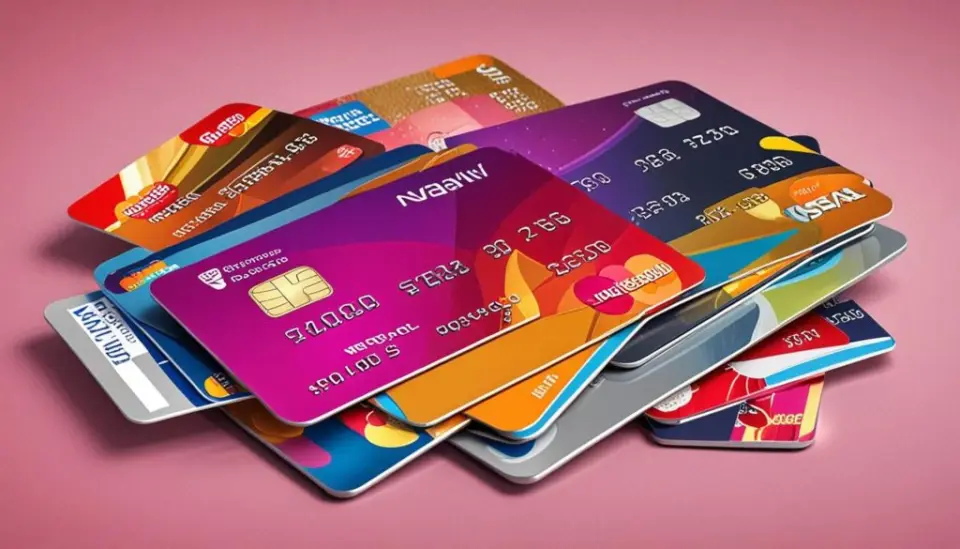
The Role of Credit Cards in Personal Finance
Credit cards serve as a crucial instrument in personal finance management, providing an efficient means to handle daily expenses, emergencies, and even larger purchases. With the ability to defer payments and access revolving credit, these cards not only facilitate immediate consumer needs but also grant users increased spending power without necessitating the immediate exchange of cash. In essence, credit cards empower consumers to engage in transactions that otherwise may be financially unfeasible, paving the way for greater financial opportunities and flexibility.
Benefits of Using Credit Cards
- Building Credit History: One of the most compelling advantages of using credit cards responsibly is the ability to build a positive credit history. Regularly utilizing your card and making timely payments can significantly enhance your credit score and increase your reliability in the eyes of lenders. Over time, a strong credit history can lead to more favorable loan terms, such as lower interest rates on mortgages or auto loans.
- Rewards Programs: Among the array of credit cards available, many offer attractive rewards programs. For instance, a common feature among these cards includes cashback offers, where a percentage of every purchase is returned to the cardholder. Additionally, travel enthusiasts may benefit from cards that offer points redeemable for flights, hotel stays, or discounts on travel expenses. For example, certain airline co-branded credit cards allow users to earn miles that can be used for free flights or upgrades.
- Fraud Protection: Security is a paramount concern in today’s digital transactions, and credit cards generally provide superior fraud protection compared to debit cards. If a cardholder encounters an unauthorized transaction, they are typically not held responsible for charges made after reporting the theft. This added security helps to prevent financial loss, giving consumers peace of mind when making purchases both online and in-store.
Risks of Using Credit Cards
- Debt Accumulation: While credit cards provide increased spending power, they can also lead to significant debt accumulation. Many users may find themselves tempted to spend beyond their means, leading to the risk of unmanageable debt levels. It is vital to establish a budget and adhere to it, ensuring that the use of credit cards does not spiral into financial difficulty.
- Interest Rates: Another substantial risk associated with credit card use is the potential for high-interest rates on unpaid balances. For example, the average credit card APR in the United States can be around 16% or higher. If cardholders do not pay off their monthly balance in full, these high-interest rates can quickly lead to escalating debt.
- Negative Credit Impact: Finally, missed or late payments can severely damage an individual’s credit rating, which can have long-lasting effects on their financial future. A lower credit score can result in higher borrowing costs, making it more challenging to secure loans for significant investments such as a home or a car.
Conclusion
Understanding the dual nature of credit card usage can prepare consumers to make informed financial decisions. By weighing the benefits, including the ability to build credit, earn rewards, and enjoy fraud protection, against the risks of debt, high-interest rates, and the potential for negative credit impacts, individuals can navigate their credit card usage more effectively. With prudent management and informed choices, consumers can harness the power of credit cards to enhance their financial well-being while avoiding common pitfalls.
DISCOVER MORE: Click here to learn how to apply for the American Express Blue Cash Everyday Credit Card
Evaluating the Benefits of Credit Card Usage
The utilization of credit cards offers numerous benefits that can enhance personal financial management. Understanding these advantages is essential for users to maximize the potential of their credit cards effectively.
- Convenience and Fluidity of Transactions: Credit cards promote easier and faster transactions, both in physical stores and online. With just a swipe or a few clicks, consumers can complete purchases without the need for cash, which can be particularly beneficial in emergency situations or for larger purchases where carrying cash would be impractical.
- Grace Periods: Most credit cards allow a grace period for payment, typically lasting around 20 to 30 days. This means that users can make purchases and have the opportunity to pay off their balance without incurring interest charges, provided they do so within this timeframe. This feature can help individuals manage cash flow effectively while avoiding additional costs.
- Insurance and Purchase Protection: Many credit cards come with built-in insurance features that provide additional protection for cardholders. For instance, cards often offer extended warranties on products purchased, as well as coverage for items that are lost, stolen, or damaged. This form of insurance can give consumers peace of mind and protect their investments.
- Expense Tracking: Utilizing a credit card can assist in tracking expenses more efficiently. Most credit card companies provide detailed monthly statements highlighting spending habits and categorized purchases. This feature can be beneficial for budgeting purposes, allowing users to assess where their money is going and make adjustments as needed.
These benefits illustrate how credit cards, when used responsibly, can considerably improve the management of personal finances. However, it is equally important to be cognizant of the inherent risks associated with credit card usage that may counteract their benefits.
Understanding the Risks of Credit Card Dependence
While credit cards present several advantages, they also carry significant risks that users must acknowledge to safeguard their financial health. The following factors are crucial to consider:
- Compounding Interest: If users do not pay off their balances in full each month, they may incur compounding interest on the remaining amount. This can lead to a situation where the total debt grows rapidly, making it challenging to pay off the principal amount over time.
- Overreliance on Credit: The ease of using credit cards may encourage overspending. Many users are tempted to purchase items they cannot afford, leading to financial difficulties and potentially crippling debt. It is essential for cardholders to maintain a disciplined approach to spending, ensuring they stick within their budget.
- Fees and Penalties: Failure to make minimum payments can result in late fees and higher interest rates. Additionally, many credit cards impose annual fees, which can add to the overall cost of maintaining the card if not managed correctly.
By understanding these risks and implementing strategies to mitigate them, consumers can enjoy the benefits of credit cards while protecting themselves from the financial pitfalls associated with their improper use.
DISCOVER MORE: Click here for a step-by-step guide
Navigating the Landscape of Credit Card Management
Having understood the benefits and risks associated with credit card usage, it is imperative to delve into practical strategies that can help consumers navigate the landscape of credit card management effectively. These strategies not only help leverage the advantages but also assist in mitigating potential drawbacks.
Implementing Effective Budgeting Techniques
Establishing a robust budgeting strategy is crucial for any credit card user. One effective method is the 50/30/20 rule, which advocates allocating 50% of income to necessities, 30% to discretionary spending, and 20% towards savings and debt repayment. By adhering to this framework, credit cardholders can use their cards for budgeted expenses while ensuring they do not exceed their financial limits. Moreover, utilizing mobile budgeting apps can enhance awareness of one’s spending habits, enabling consumers to track their credit card usage in real time.
Setting Reminders for Payments
To avoid late fees and the risk of compounding interest, consumers should set up reminders for payment due dates. Many financial institutions offer automatic payment options, allowing users to specify the amount to be paid each month—be it the minimum payment or the full balance. According to a study by the Consumer Financial Protection Bureau (CFPB), approximately 25% of U.S. adults report making late payments, often resulting from forgotten payment deadlines. Automating payments can significantly reduce this risk and foster a healthier credit score.
Monitoring Credit Reports Regularly
Regular monitoring of credit reports can provide insights into individual credit health and ensure information accuracy. Consumers are entitled to receive one free credit report annually from each of the three major credit bureaus: Experian, TransUnion, and Equifax. By reviewing these reports, users can identify causes of declining credit scores, such as high credit utilization or missed payments. Keeping credit utilization below 30% of total available credit is regarded as ideal to maintain a favorable credit score.
Utilizing Rewards and Benefits Wisely
Many credit cards offer rewards programs that can contribute to financial savings through cashback, travel rewards, or discounts. Consumers should take advantage of these offers but do so within their budget constraints. For instance, utilizing cashback bonuses on essential expenses like groceries or gas can yield significant savings over time. However, it is essential for users to remember that these rewards should not be an invitation to overspend, as this can quickly negate any potential financial benefits.
Educating About Credit Scores
Understanding credit scores and their impact on financial health is crucial for effective credit card management. Factors such as payment history, credit utilization, length of credit history, and types of credit accounts play substantial roles in determining an individual’s score. Educational resources and workshops often provided by credit unions or financial literacy nonprofits can equip consumers with the knowledge necessary to enhance their credit profiles. Proper management of credit cards can lead to improved credit scores, thereby opening doors to better lending terms in the future.
By implementing these strategies, consumers can harness the benefits offered by credit cards while minimizing associated risks, paving the way for a healthier financial future. Balancing the rewards of credit cards with thoughtful financial practices can ultimately strengthen one’s financial standing and empower informed decision-making.
DISCOVER MORE: Click here to learn how to apply effortlessly
Conclusion
In summary, the use of credit cards in everyday life presents both significant opportunities and notable challenges. On the one hand, credit cards offer invaluable benefits such as financial flexibility, rewards programs, and the potential for building a strong credit history. When used responsibly, they can enhance purchasing power and provide access to resources that may be needed in emergencies. Moreover, the ability to track expenses through monthly statements can contribute to better budgeting practices.
Conversely, the risks associated with credit card usage, including mounting debt, high interest rates, and negative impacts on credit scores, should not be overlooked. It is crucial for consumers to remain vigilant and informed about their financial habits to mitigate these risks. Adhering to sound financial principles—such as budgeting, setting payment reminders, and monitoring credit reports—can help individuals harness the positive aspects of credit cards while safeguarding against potential pitfalls.
Ultimately, the journey towards effective credit card management calls for a balanced approach that encourages responsibility and awareness. By recognizing the dual nature of credit cards as both a beneficial tool and a double-edged sword, individuals can make informed decisions that promote financial stability. As people navigate their personal finances in a complex economic environment, the prudent use of credit cards can serve as a catalyst for achieving both short-term needs and long-term financial goals.
 Strategies to Manage Credit Card Debt and Improve Your Credit Score
 The Impacts of Credit Card Interest Rates on Consumers’ Financial Health
 How to Choose the Ideal Credit Card for Your Financial Needs
 Credit Cards and the Psychology of Consumption: How They Influence Our Purchasing Decisions