5 Legitimate Ways Creators Earn Robux on Roblox
There is no code or generator that gives away Robux. What exists is a set of platform tools that pay creators for what players value: game passes, developer products, Premium Payouts, avatar items and collaboration. Here is how each one works and what they have in common.
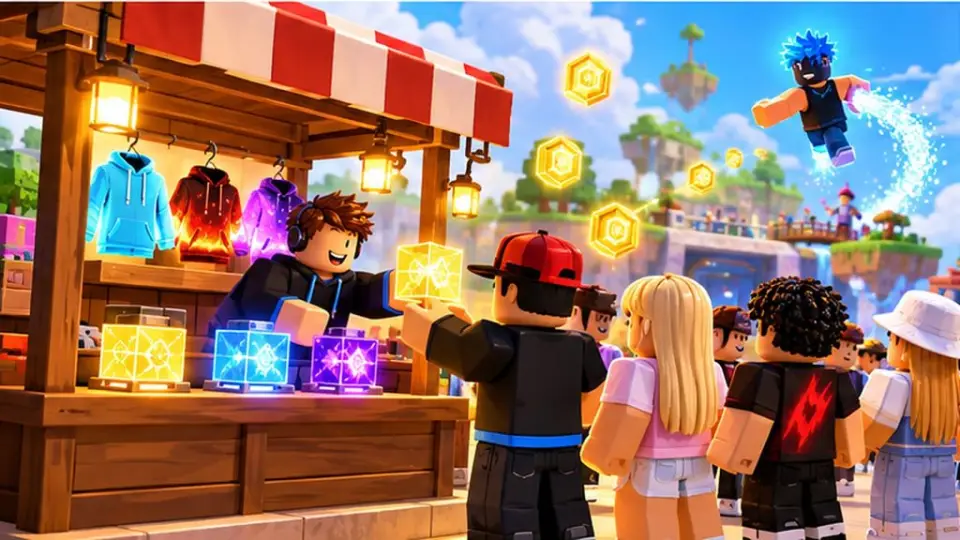
Earning Robux Is a Creator Activity, Not a Trick
Search for “free Robux” and you will find thousands of pages promising codes, generators and giveaways. None of them work, and many of them exist to steal accounts. The only reliable way to earn Robux without paying for it is to create something other players are willing to spend on. That takes effort, but it is a real path, it is supported by the platform, and it is open to any account that follows the rules.
This guide walks through five ways creators actually earn Robux on Roblox today. Each one is built on the platform’s own monetization tools, and each one rewards the same underlying thing: an experience, item or service that players value.
1. Sell Game Passes in Your Own Experience
A game pass is a one-time purchase that gives a player a permanent benefit inside your experience: a special ability, a cosmetic effect, access to an area or a convenience like a larger inventory. The player buys it once and keeps it forever.
Game passes work best when they are optional. Players should be able to enjoy the experience without buying anything, and the pass should feel like a bonus rather than a toll. A VIP room, a unique trail effect or a double-jump ability are classic examples.
What makes a game pass sell
- The benefit is visible to other players, so owning it carries some status.
- The price matches the size of the benefit. A small cosmetic should cost a small amount.
- The experience itself is fun enough that players want to invest in it.
2. Offer Developer Products for Repeat Purchases
Where a game pass is bought once, a developer product can be bought again and again. In-game currency packs, extra lives, temporary boosts and consumable items all fall into this category. Developer products suit experiences with a loop that players repeat, such as simulators, tycoons and round-based games.
The design challenge is balance. If the product is required to progress, players feel pressured and leave. If it is purely a shortcut that patient players can skip, it feels fair. Successful creators test prices and watch how purchase rates change rather than guessing.
3. Earn Premium Payouts From Engagement
Roblox Premium is a subscription that some players pay for. When a Premium subscriber spends time in your experience, you receive a share of Robux based on their engagement, even if that player never buys anything from you. This is called Premium Payouts.
You do not need to enable anything special to receive them. You simply need an experience that keeps Premium players coming back. In practice this rewards the same qualities as every other method: retention, regular updates and a reason to return. For creators with a loyal audience, Premium Payouts can become a steady baseline on top of direct sales.
4. Create and Sell Avatar Items
Not every creator wants to build a full experience. Some focus on avatar items: clothing, accessories and, for creators who meet the requirements, 3D items for the marketplace. Players spend heavily on how their avatar looks, and a well-designed item can sell across the entire platform rather than inside one experience.
The entry point is classic clothing, which can be designed with ordinary image tools and uploaded through the creator dashboard. More advanced items require 3D modeling skills and, in some cases, program eligibility. Fees and requirements for publishing items are set by Roblox and are worth reading before you start.
Tips for item creators
- Study what sells in the marketplace, then design something in that style with your own twist.
- Release items in small collections so your profile looks consistent.
- Price competitively at first. Reputation matters more than margin in the beginning.
5. Build an Audience, Then Collaborate
The fifth method is less a feature and more a strategy. Creators with an audience, whether on Roblox itself or on video and social platforms, can collaborate with other creators, trade visibility, and in some cases work on experiences for a share of the revenue. Groups on Roblox allow revenue from a shared experience to be split among members, which makes collaboration practical.
This path takes the longest to develop, but it compounds. Every experience you publish, every item you release and every video you post adds to the number of people who know your name. When you eventually launch something ambitious, that audience is the difference between a quiet release and a busy one.
What All Five Methods Have in Common
Each of these approaches depends on one thing: giving players something they genuinely want. The platform handles payments, delivery and security. The creator handles value. Robux earned this way can be spent on the platform, reinvested in your own experiences through advertising, or, once you meet the published requirements, partially exchanged for real money through the Developer Exchange program.
A realistic expectation helps. Most experiences earn very little at first. The creators who eventually earn meaningful amounts are the ones who treated the early months as practice, kept their accounts safe, followed the community standards and improved one project at a time.
Staying Safe Along the Way
- Never share your password or enter it on a website that is not roblox.com.
- Enable two-step verification on your account.
- Ignore messages offering free Robux, “beta tester” payments or account trades.
- Keep your earnings inside the platform until you understand the official exchange rules.
This article is for informational purposes only. It is not affiliated with, endorsed by, or sponsored by Roblox Corporation. Monetization features, fees and eligibility requirements are defined by Roblox and may change at any time.
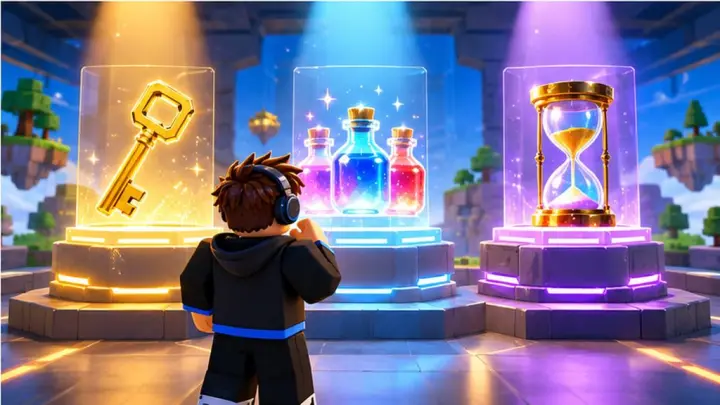 Game Passes, Developer Products and Premium Payouts: How Roblox Pays Creators
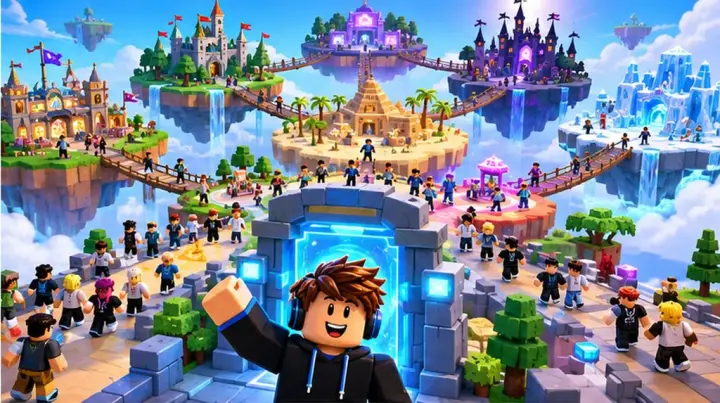 Roblox for Beginners: How the Platform Works and How Creators Build a Presence